Team: Attorneys
PennEnvironment v. Styropek. Clean Water Act citizen suit against largest expandable polystyrene (EPS) manufacturer in North America for unpermitted discharge of plastic pellets from aging facility. Resulted in consent decree mandating upgrades to stormwater systems throughout site, a “no pellet discharge” standard verified by installation of cutting-edge monitoring technology, and a $2.5 million penalty.
Environment Texas v. ExxonMobil. Clean Air Act citizen suit for violations of emissions limits at ExxonMobil’s Baytown Complex, the largest petrochemical complex in the country. Part of team that defended record $14.25 million penalty through multiple appeals to the Fifth Circuit, including en banc rehearing, and defeated writ of certiorari to the Supreme Court.
PennEnvironment v. U.S. Steel. Clean Air Act citizen suit arising from more than a hundred consecutive days of emissions violations at Mon Valley Works outside of Pittsburgh. U.S. Steel continued to operate three interconnected plants after a fire destroyed critical pollution controls. Resulted in a consent decree requiring $37 million in pollution control and plant upgrades and a $5 million penalty, most of which funded public health projects
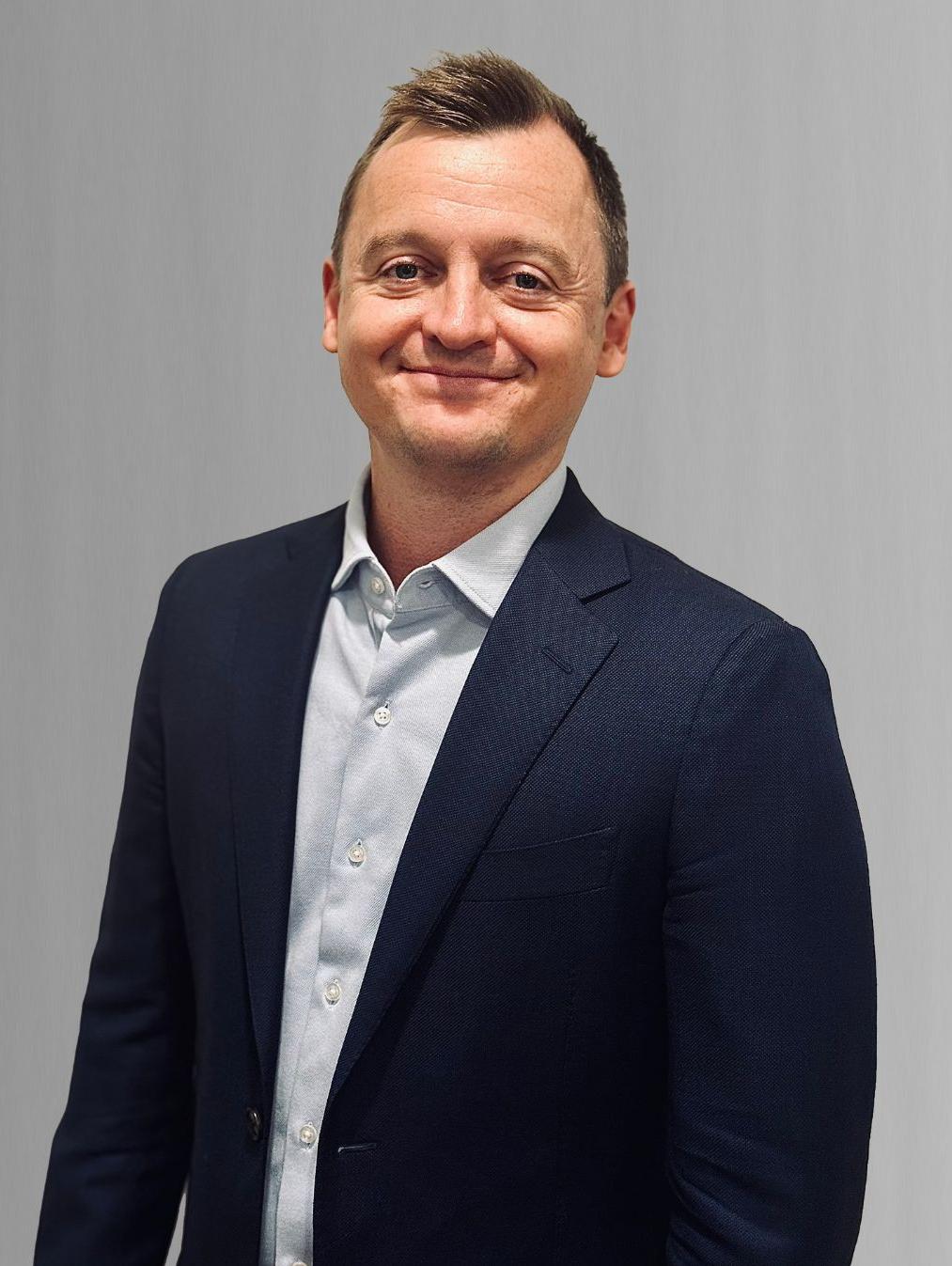
Matthew J. Donohue
Associate
Education
- Boston College Law School (J.D., 2012)
- Skidmore College (B.A., cum laude, 2007)
Admissions
- Massachusetts
Matthew Donohue joined Wolf Popper in July 2026 as a litigator with experience prosecuting complex environmental and product liability cases against major corporations.
Matt is a graduate of Boston College Law School (J.D., 2012). Following law school, Matt joined a boutique litigation firm in Boston, where he brought dozens of product liability and wrongful death suits against companies that manufactured and distributed asbestos-containing products. In 2019, Matt transitioned to a Senior Attorney role at the National Environmental Law Center in Boston. He represented environmental organizations in federal enforcement suits against large industrial corporations. Working primarily under the citizen suit provisions of the Clean Air Act and Clean Water Act, he oversaw all aspects of federal litigation.
Matt is a graduate of Boston College Law School (J.D., 2012). Following law school, Matt joined a boutique litigation firm in Boston, where he brought dozens of product liability and wrongful death suits against companies that manufactured and distributed asbestos-containing products. In 2019, Matt transitioned to a Senior Attorney role at the National Environmental Law Center in Boston. He represented environmental organizations in federal enforcement suits against large industrial corporations. Working primarily under the citizen suit provisions of the Clean Air Act and Clean Water Act, he oversaw all aspects of federal litigation.
Experience
Representative environmental enforcement cases include:PennEnvironment v. Styropek. Clean Water Act citizen suit against largest expandable polystyrene (EPS) manufacturer in North America for unpermitted discharge of plastic pellets from aging facility. Resulted in consent decree mandating upgrades to stormwater systems throughout site, a “no pellet discharge” standard verified by installation of cutting-edge monitoring technology, and a $2.5 million penalty.
Environment Texas v. ExxonMobil. Clean Air Act citizen suit for violations of emissions limits at ExxonMobil’s Baytown Complex, the largest petrochemical complex in the country. Part of team that defended record $14.25 million penalty through multiple appeals to the Fifth Circuit, including en banc rehearing, and defeated writ of certiorari to the Supreme Court.
PennEnvironment v. U.S. Steel. Clean Air Act citizen suit arising from more than a hundred consecutive days of emissions violations at Mon Valley Works outside of Pittsburgh. U.S. Steel continued to operate three interconnected plants after a fire destroyed critical pollution controls. Resulted in a consent decree requiring $37 million in pollution control and plant upgrades and a $5 million penalty, most of which funded public health projects